

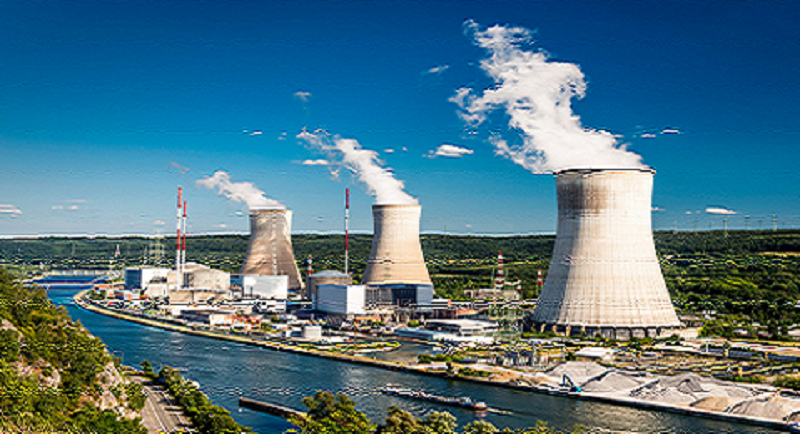
Nuclear Power and Energy Technology
26 - 30 January 2026
Sandton City Tower
Johannesburg South Africa
Cost per Delegate
$1,500.00
Introduction
Imagine an energy source capable of providing reliable, clean power without the high carbon emissions of fossil fuels. Nuclear energy holds this potential, offering a cornerstone in the journey toward a low-carbon, sustainable future. But, with that potential comes the need for a deep understanding of nuclear science, risk management, and technological advancements to unlock its benefits safely and effectively.
This course is your gateway to the critical knowledge required in today’s evolving energy landscape. From understanding the principles of nuclear physics to exploring advanced reactor designs, and from assessing safety protocols to navigating the complex regulatory frameworks, this comprehensive course prepares you to make informed, impactful decisions in the nuclear industry.
Whether you’re an engineer, policymaker, analyst, or energy enthusiast, this course empowers you to contribute to a future where nuclear energy plays a central role in achieving global energy security and climate goals. Join us to become part of a network of professionals leading the nuclear energy renaissance.
.
Objectives:
1. Understand Nuclear Fundamentals: Equip participants with the scientific and technical foundation of nuclear energy and reactor operations.
2. Assess Environmental Impact: Explore how nuclear power compares environmentally with other energy sources and contributes to sustainability.
3. Enhance Safety Awareness: Provide insights into nuclear safety standards, risk management, and response strategies.
4. Evaluate Economic Viability: Understand the economics of nuclear energy and its potential as a stable energy source.
5. Explore Technological Advances: Examine innovations in reactor technology and the future of nuclear power, including fusion prospects.
6. Navigate Regulatory Frameworks: Gain an understanding of nuclear policies, regulations, and their role in the energy transition.
Who should attend?
• Engineers and Technical Professionals: Those working in or entering the energy sector who need foundational knowledge in nuclear energy.
• Policy Makers and Regulators: Government and regulatory agency staff involved in shaping nuclear energy policies.
• Environmental and Energy Analysts: Professionals focused on sustainable energy solutions and climate change mitigation.
• Business and Finance Professionals: Those involved in the economic analysis, funding, or investment in energy sectors.
• Academics and Researchers: Scholars focused on the study of nuclear physics, energy policy, and environmental science.
• Public Health and Safety Officials: Individuals responsible for community health, safety, and environmental protection.
Course Outline
Module 1: Introduction to Nuclear Energy
• Overview of nuclear energy and its role in the global energy landscape
• History and evolution of nuclear power
• Basic principles of nuclear physics and nuclear reactions
Module 2: Nuclear Reactor Fundamentals
• Types of nuclear reactors and their operational principles
• Key components and engineering of nuclear reactors
• Safety mechanisms and protocols in nuclear reactor operations
Module 3: Nuclear Fuel Cycle and Waste Management
• Overview of the nuclear fuel cycle, from mining to disposal
• Fuel enrichment, reprocessing, and recycling
• Management of radioactive waste and disposal techniques
Module 4: Nuclear Safety and Risk Management
• Principles of nuclear safety and risk assessment
• Incident and accident case studies (e.g., Chernobyl, Fukushima)
• Regulatory frameworks and safety protocols in the nuclear industry
Module 5: Environmental and Societal Impacts of Nuclear Energy
• Environmental impact of nuclear energy compared to other energy sources
• Addressing public perceptions and societal concerns
• Role of nuclear energy in sustainable development and carbon reduction
Module 6: Advances in Nuclear Technology
• Innovations in nuclear reactor design (e.g., SMRs, thorium reactors)
• Fusion energy prospects and emerging nuclear technologies
• Digitalization and automation in the nuclear industry
Module 7: Nuclear Policy, Regulation, and Economics
• Key policies governing nuclear energy worldwide
• Economic considerations and the cost-benefit analysis of nuclear power
• Role of government, international organizations, and industry partnerships
Module 8: Future of Nuclear Energy
• Opportunities for nuclear energy in a low-carbon future
• The role of nuclear in global energy security and climate targets
• Industry outlook and career opportunities in nuclear energy
End of the Workshop
For Training arrangements call us on the detail below
TANZANIA: +255 749 50 26 78
SOUTH AFRICA: +27 694 31 79 73
KENYA: +255 749 50 26 78
DUBAI: +27 694 31 79 73
