

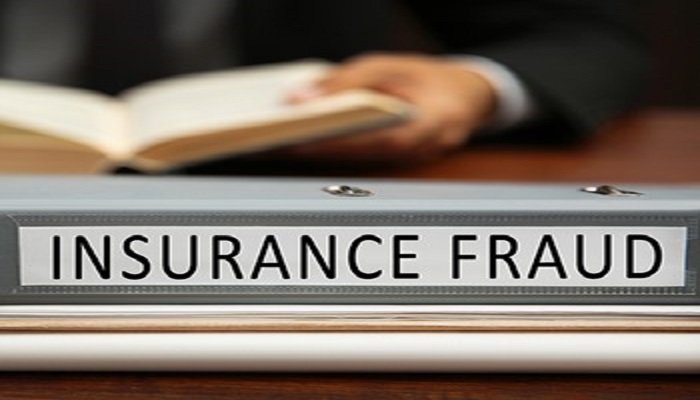
Fraud Detection and Prevention for the Insurance Industry
Introduction
The insurance industry faces significant challenges due to fraudulent activities, resulting in substantial financial losses and reputational damage. This course is designed to equip participants with the skills, tools, and techniques necessary to detect and prevent insurance fraud effectively. By exploring real-world examples, analytical tools, and best practices, participants will learn to strengthen their organization's defenses against fraud while fostering a culture of integrity and compliance. .
Objectives:
By the end of this course, participants will be able to:
1. Understand the various types of insurance fraud, including claims fraud, policy fraud, and premium fraud.
2. Identify red flags and early warning signs of potential fraudulent activities.
3. Use advanced tools and techniques, including data analytics and artificial intelligence, to detect fraudulent activities.
4. Develop and implement fraud prevention strategies tailored to the insurance industry.
5. Understand the legal and regulatory frameworks governing fraud prevention.
6. Collaborate with internal and external stakeholders to strengthen fraud detection systems.
7. Foster ethical behavior and compliance within the organization.
Who should attend?
This course is ideal for professionals in the insurance and financial sectors, including:
This course is ideal for professionals in the insurance and financial sectors, including:
• Fraud investigators and analysts
• Claims adjusters and examiners
• Underwriting professionals
• Risk management officers
• Compliance officers
• Internal auditors
• IT and cybersecurity personnel involved in fraud prevention
• Legal and regulatory professionals in the insurance industry
Course Outline
odule 1: Understanding Insurance Fraud
• Definition and types of insurance fraud
• Common fraud schemes and trends
• Case studies of major insurance fraud incidents
Module 2: Fraud Detection Techniques
• Behavioral indicators and red flags
• Leveraging data analytics and forensic accounting
• Role of artificial intelligence and machine learning in fraud detection
• Using fraud detection software and tools
Module 3: Fraud Prevention Strategies
• Designing fraud prevention policies and controls
• Conducting fraud risk assessments
• Implementing anti-fraud technology
• Building fraud awareness and training programs
Module 4: Legal and Regulatory Frameworks
• Insurance fraud laws and compliance requirements
• Working with regulatory agencies and law enforcement
• Ethical considerations in fraud investigation
Module 5: Building a Robust Fraud Response Plan
• Developing an internal fraud response strategy
• Conducting effective investigations and interviews
• Reporting fraud incidents
• Managing reputational risk
Module 6: Case Studies and Practical Applications
• Real-world examples of successful fraud detection and prevention
• Group exercises and role-playing scenarios
• Developing actionable fraud prevention plans
End of the Workshop
For Training arrangements call us on the detail below
TANZANIA: +255 749 50 26 78
SOUTH AFRICA: +27 694 31 79 73
KENYA: +255 749 50 26 78
DUBAI: +27 694 31 79 73
